


Marketers were surprised because they had assumed (understandably so—more on that below) that Google’s search algorithm considered social signals, which imply trustworthiness and quality.

This essay explores how these different viewpoints affect social media and SEO. Plus, we’ll learn how SEO-focused marketers view social media for SEO.
First, a recap of SEO and social signal discussions.
Important social media and SEO tips
- Google’s shifting attitude toward social signals and rankings doesn’t undermine social media’s SEO value.
- Marketers should learn more about SEO and social media since social media traffic boosts search rankings.
- Optimizing social media marketing and harnessing trends increases visibility and authority, indirectly increasing SEO.
Social media and SEO history
As said, Cutts’ revelation that Google doesn’t consider social signals when ranking web pages surprised the internet marketing industry. Cutts stated in a prior video that social signals affected rankings.
Three years later, Google told advertisers, “Nope, sorry guys, we don’t look at that stuff right now.” Advertisers were disappointed and annoyed.
Years later, Google was again mining social media signals for rankings.
I researched this topic and found five things marketers should know about leveraging social media for SEO in 2024 and beyond.

5 Things to Consider When Assessing Social’s SEO Impact
Social media publishing has several benefits beyond SEO. Consider these social media effects on search visibility.
1. Social Links May Not Improve Search Rank
OK, social signals about a profile’s authority are out, but does Google consider social linkages reliable backlinks? Are new links to a viral blog post about X helpful for search rankings?
Like me, Ahrefs, Search Engine Journal, and Semrush concluded:
More likes and participation on social media increase visibility.
Social media traction gives your content authority, social evidence, and a wider reach.
Social signals have an indirect influence, not a correlation, yet they are nevertheless valuable.
To assess the social reach of individual website pages, do the following:
Step #1: Enter your URL into Ubersuggest and click “Search.”
Search Bar Ubersuggest.
Step #2: click “Top Pages” on the left sidebar.
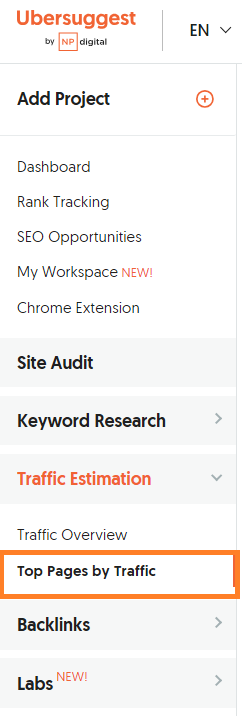

Uber suggests top pages for SEO based on traffic and social media images.
Step #3: Review Results.
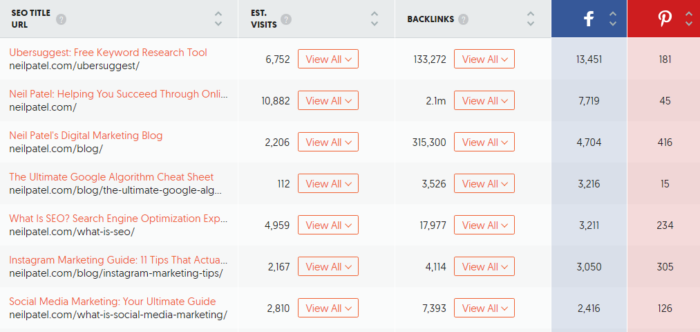

Uber suggests an SEO title, URL, search page image, and social media.
The Facebook and Pinterest social share columns are most relevant to this content. The social reach of my top traffic pages is strong on these networks.
Google sends 11,000 monthly visits to “Helping You Succeed Through Online Marketing!” While backlinks to the website are important, may social shares be too? Does this illuminate how social signals affect SEO rankings?
2. Search engines rank social media profiles.
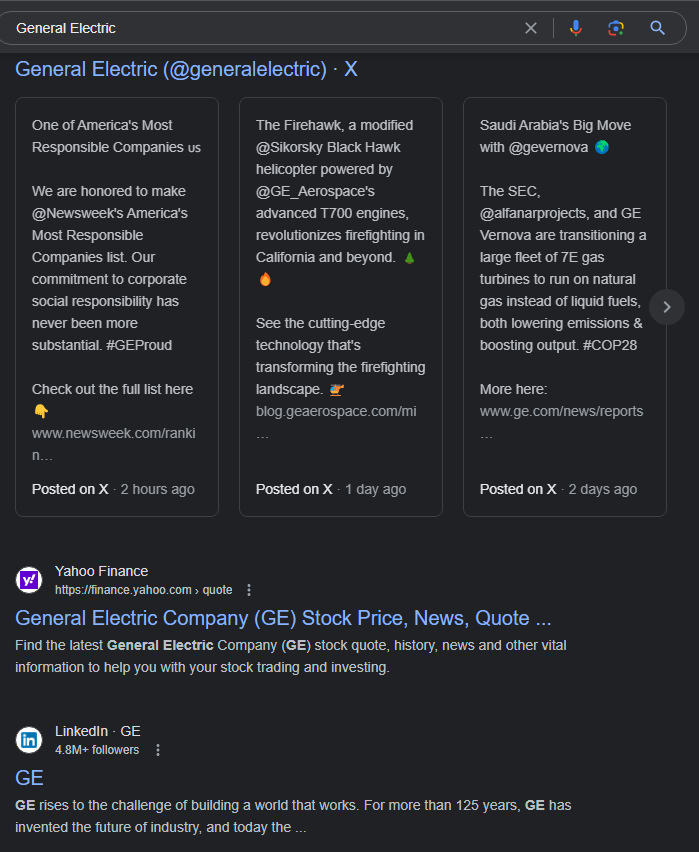
Social media profiles affect search results. Social media profiles often rank well in brand name searches.
When I searched “General Electric” in Google, its X (previously Twitter) and LinkedIn pages were 4th and 6th, while Instagram was 15th.

General Electric Google search result, social media SEO screenshot
For what reason?
Social media is a terrific way to get to know a company because it’s more personal than online pages. My first stop when exploring a new firm is their X, or Facebook page.
That means if a social account appears at the top of search results, I’m as likely to click on it as their website.
The takeaway? Social profiles are important for online visibility, especially for individuals searching for you. A few active social networks may make online brand discovery more enjoyable, engaging, and personal. Therefore, your social media SEO plan should include profiles with current information and engaging content.
3. Social media is a search engine.
Why do I say this? All in the research.
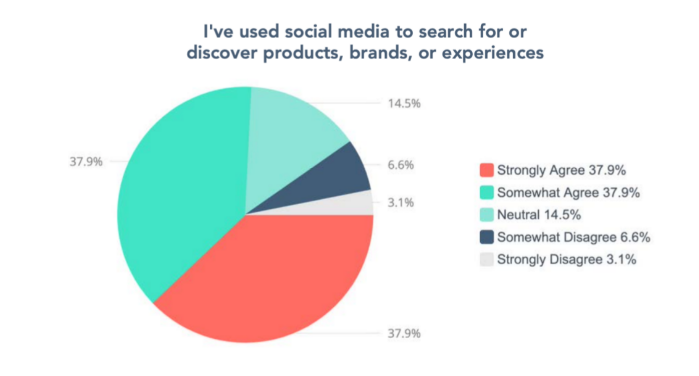
Nearly 40% of TINT’s 2023 State of Social and User-Generated Content respondents discover businesses and items on social media.

State of Social and UGC Content Survey Results from TINT 2023.
That shows people use social media, as well as Google and Bing, to find information. This confirms other blog posts about social networks and search.
There are two ways this works: First, if you’re on X, folks searching for content marketing postings may find your company’s new content distribution tool.
By hash tagging and classifying their pins, brands with attractive visual material may grow their Pinterest and Instagram presence.
Moreover, as noted in point #1, someone interested in your organization will likely open X and Facebook and rapidly look for your presence on each channel. YouTube searches too.
What should you learn? Companies should consider social search engines in addition to Google and Bing for SEO.
When searching for a brand on Facebook or X, many accounts often appear, making it difficult to tell which is which. Marketers should make it easy for users to identify their official social profiles.
This may include eliminating duplicate accounts or tagging social accounts so people know their function (e.g., HR or press versus general brand pages).
4.Not Now Doesn’t Mean Not Ever
As mentioned, social media indirectly affects SEO. Considering that, social media is unlikely to become less crucial to a brand’s or person’s online profile.
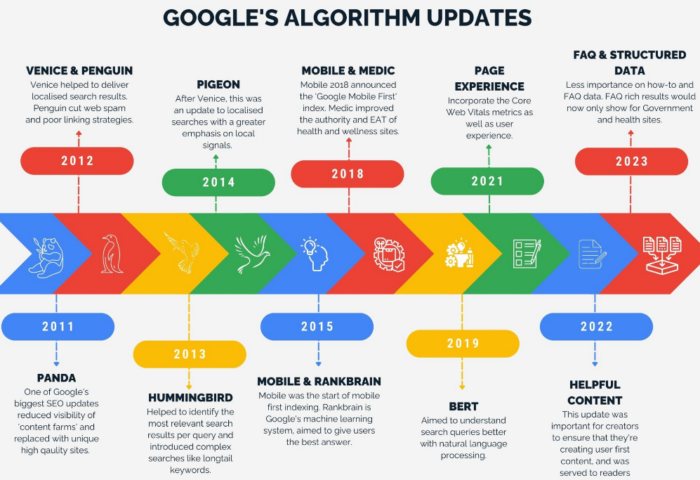
Google upgrades its fundamental algorithms every two months and makes 600 algorithm modifications annually. These frequent changes require marketers to be adaptable, and while social media and search rankings are currently indirect, this may change.
Brands could slowly establish social media awareness by covering trending subjects and integrating them into their SEO strategy to stay ahead.
5. Remember Bing?
Google may have reversed its social signaling stance, but Bing’s is unambiguous.
Bing’s algorithm considers social signals, so sites with a lot of social media links, shares, and impressions will rank better.
Bing ranks social networking content by comments, engagement, likes, and fresh content.
Use Bing’s webmaster tools, claim your business on Bing Places, and develop user-focused content to improve results.
Bing handles roughly 7% of US searches and is transparent about how it uses social signals. As opposed to Google, it hasn’t wavered. Companies should use Bing in SEO due to its expanding market dominance.
How does SEO affect social media?
If you want a higher search engine presence, optimize your social media profiles and posts for SEO. That includes using keywords in hashtags and titles to boost social media and search engine presence.
Some of the top SEO benefits of social media are:
- Regular publishing on social media and websites boosts content visibility and traffic. Sharing your content on social media boosts brand awareness and expertise.
- Social metrics: shares, likes, and comments boost website visibility and brand credibility. Search engines evaluate your brand’s online reputation using these social signals.
- Indexing: Using hashtags on social media increases search engine visibility.
- Local SEO: You’ll stand out to local searchers by boosting your social media profile with relevant keywords.
- Establishing credibility: Regularly posting authoritative information on social media can boost your SEO and credentials.
Staying current on social media and SEO marketing
The proof is clear.
SEO and social media work together to boost brand awareness, online visibility, and customer interaction. However, posting anything is not enough.
Take into account that consumers use multiple platforms for different objectives. This Smartinsights.com graphic illustrates:
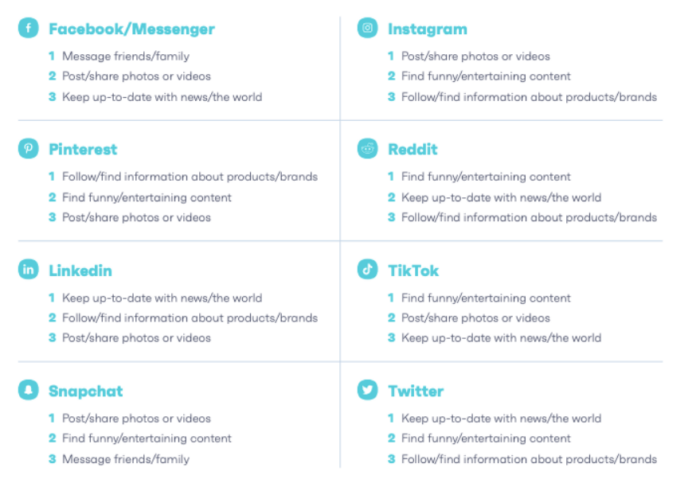

Chart showing social media’s uses for SEO
So one strategy can feed the other; you must follow social media and SEO trends. Social media trends will soon lead to peak search phrases.
Social media suggestions for SEO and vice versa:
Keep an eye on social media trends in your niche. Consider following larger trends and writing material about them. A popular baseball match could be an analogy for a business blog like this one.
- Search Google News for your niche to check if a topic is trending on social media.
- Use Google Trends and Buzzsumo to uncover popular searches and engaging content.
- Get Google Trends newsletters or popular topics in your inbox.
- Start hot-topic polls to engage users.
- Getdaytrends.com lists daily trends.
- Get the finest SEO results by optimizing social media:
- Use popular social media keywords in content, meta descriptions, and headers.
- Image and media optimization with popular hashtags and keywords
- Linking social media posts to blog or website pages.
Conclusion
Google has debated social media’s SEO benefits, but Cutts’ outmoded claim that Google’s search algorithm ignores social signals isn’t final.
Instead, marketers should widen search and SEO to include the many ways individuals find digital content. They should also consider how social media marketing traffic may improve their search rankings and the prominence of social profiles in first-page search results.
SEO best practices should follow the web’s social nature, which is about developing relationships and audiences, expressing identity, and exchanging ideas.
You must also consider SEO and social media integration. Optimizing and capitalizing on social media trends can boost your visibility, authority, and SEO.