


Few traffic sources are better for SaaS companies than organic search. You can scale it easily, attract people for free, and they often intend to buy.
How can you ensure your website dominates SERPs? Once it does, how can you keep visitors on your site and convert them?
SEO for SaaS organizations must consider industry specifics. SaaS brands have a distinct target market and customer journey than local businesses or law firms, thus their SEO approach must match this.
This page explains how to build one. The benefits of SEO for SaaS firms, why it’s crucial, and how you can start a strategy today.
What’s SaaS SEO?
SaaS SEO boosts Google rankings for software-as-a-service firms. All activities that boost search engine traffic, such as:
- Keyword research
- Content creation
- On-page SEO
- Link-building
Google’s ranking determinants remain the same, but SaaS-specific possibilities and difficulties must be considered.
How SEO Is Different in SaaS
Optimizing your SEO strategy for the SaaS market requires awareness of its unique needs.
Competition is fierce—many companies offer identical services, some with larger marketing budgets. Comparison sites like Capterra and G2 rank for product-related enquiries due to their high domain authority.
Your competition is global, not local.
Research and decision-making might take weeks or months, lengthening the customer journey.
Instead of a “quick fix” strategy, focus on long-term SEO methods like content marketing and technical optimization.
It also requires content for each stage of the journey. To attract and convert visitors, you need more than top-of-funnel content. You need product-focused content to convince readers to choose your tool over a competitor.
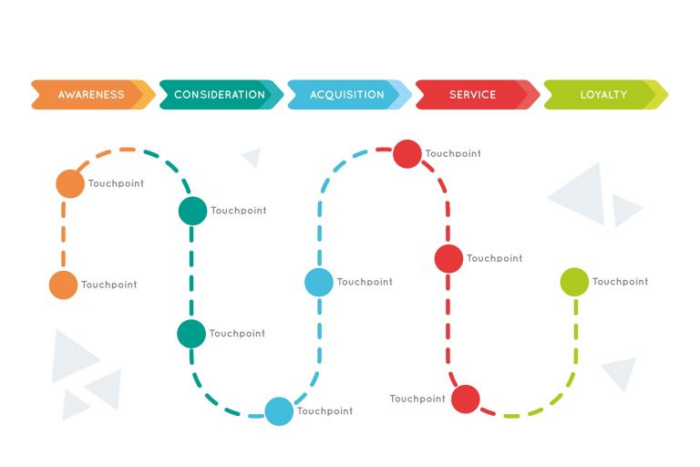
The image below from Sales panel shows that you won’t receive a conversion the first time someone views your site, thus you need to develop your SEO plan to gain authority over time. So, your website will always be displayed in search engine results, and you may select how to attract clients.
In addition to new clients, you must consider others.
Because SaaS brands are subscription-based, you must continuously think about customer retention. Create content that attracts new users, educates existing clients, and establishes your authority in your B2B SaaS SEO campaign.
SEO benefits SaaS businesses
SEO may boost SaaS marketing if done right. It helps you reach clients actively seeking your services. In a world with a million software solutions, SEO is more important than ever.
Some SEO benefits for SaaS brands:
Increased brand awareness and credibility. As your content appears in search results, your brand will gain credibility. This may determine whether customers choose you over a rival.
Scalable traffic. SEO compounds greatly. Your monthly traffic will increase as you develop more material and links.
Low-cost purchase. Growing your SEO minimizes your need for paid promotion. As an industry with high ad expenses, SaaS companies will benefit from any reduction.
Enhanced product awareness. Since buyers would have seen your goods in search engines, your sales team will find it easier to sell.
Helps convert other-channel prospects. Search engine optimization material can help sales teams convert prospects from social media and PPC campaigns.
Enhance user experience. Optimization for speed, navigation, and readability improves user experience. This keeps visitors on your site longer and increases conversions.
SEO helps your organization stay ahead of the competition. As search engines change their algorithms, updating your content and adding links will keep you ahead.
Why SaaS SEO Matters
SaaS SEO is essential for most brands. An absolute must.
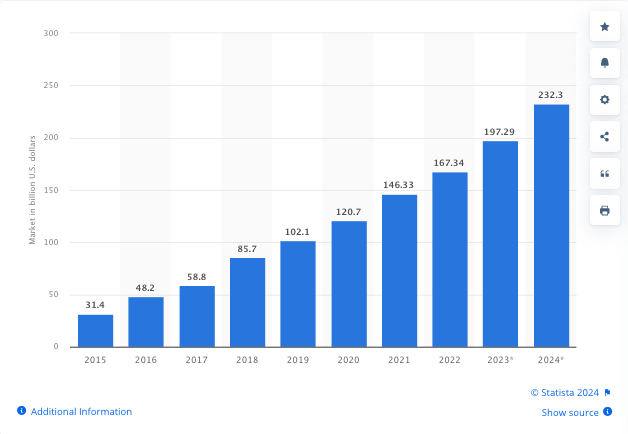
The SaaS market is so big and competitive that you need an SEO plan. By 2024, users will spend over $232 billion on SaaS solutions. To compete for that pie, you must spend in SEO.
More buyers are browsing internet for products. Over 25% of buyers research internet independently. That means your product must be in search engines to be on your audience’s shortlist.
Finally, SEO helps B2B companies manage protracted sales cycles. Over two months is the average B2B sales cycle. One sponsored ad won’t keep prospects invested. To succeed, you need consistent content that establishes your authority and keeps prospects in your funnel. Only SEO can do that.
Improve Your SaaS SEO Strategy with These Tips
SaaS SEO goes beyond updating content and hoping for the best. Here are some SEO tips to get results:
- Find out what keywords your target audience uses to find your products and services.
- Use title tags, meta descriptions, and header tags to assist search engines comprehend your website.
- Create high-quality content using keywords relating to your services and reader value.
Establish high-quality backlinks from authoritative sites. - Improve website speed because search engines rate websites by loading time.
- Use local SEO to boost visibility in your business’s location.
Dig deeper into some of these.
Best Practices for SaaS SEO Keyword Research
Before optimizing your website for SEO, undertake keyword research to learn what terms and phrases potential clients use to find your SaaS solution.
Start by listing keywords relating to your business and products or services. This can contain software features and industry-related terms.
Use Ubersuggest to research search volume and competition for keywords you’ve identified.
If you Google “customer data management platform,” you can discover how many searches it gets and use this information to refine your keyword research.
Google’s autocomplete function can help you find easier-to-rank long-tail keywords.
What’s autocomplete? Enter Google search. Google suggests relevant terms as you write. These are autocomplete keywords.
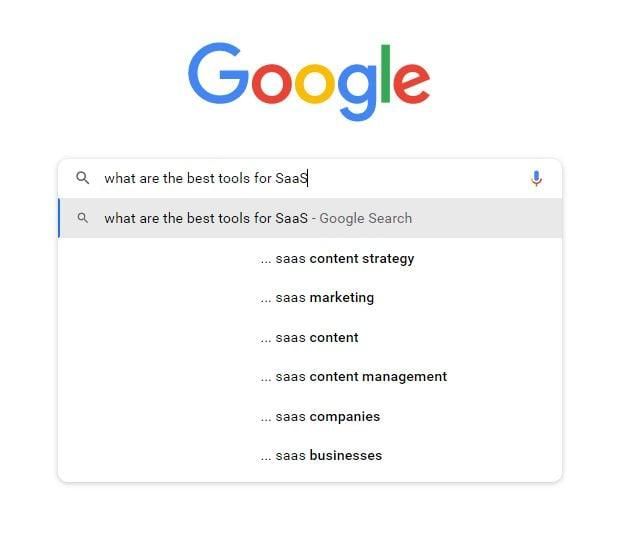
If you can’t locate many relevant terms, don’t worry. Digital marketers of SaaS brands struggle with keyword shortages. These organisations operate in highly focused (and competitive) fields, thus there are few keywords at initially. Luckily, there are several ways around this.
First, don’t overthink loudness. Even 12 visits each month can lead to a profitable sale.
Second, emphasise your product’s qualities and customer benefits. These hyper-specific, high-intent enquiries make searchers more inclined to buy. Create vs. pages to compare your goods to competitors. These low-funnel keywords generate high-intent traffic again.
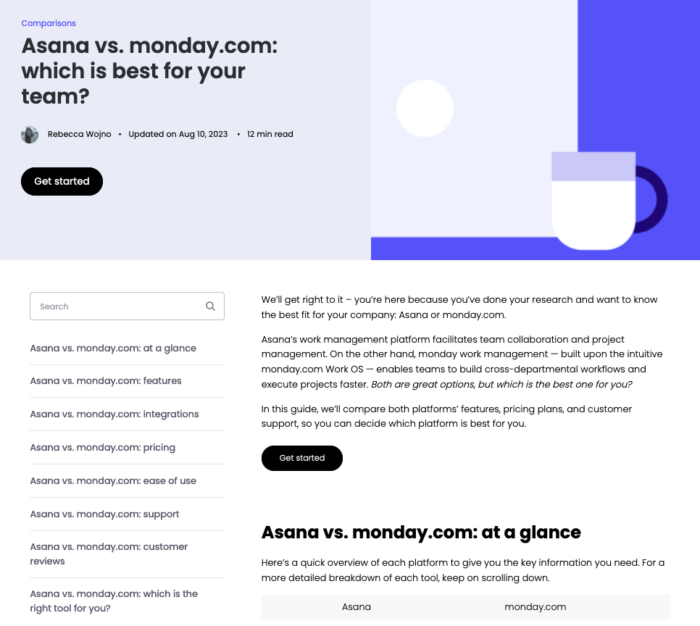
Third, check your competitors’ rankings. Use Ahrefs or Semrush to mine your competitors’ webpages for keywords you can rank for.
Keyword research and website optimization can boost SERP rankings and organic visitors. This boosts SaaS SEO conversions and ROI.
On-Page SaaS SEO Best Practices
Any good SaaS SEO approach includes on-page SEO. On-page optimization optimizes your website’s content and structure for search engines and users.
Optimize titles, headings, meta descriptions, photos, and other page elements to boost SEO. These parts should contain keywords to help search engines crawl and index your material.
Include internal links to other pages on your website to help users navigate. More relevant content on a page improves SERP rankings.
Content quality is the best strategy to boost on-page SEO. Your content must outperform your competitors.
What does this mean practically?
First, material must meet audience needs. It must provide all the information customers need to address their problem.
Second, it must offer a great user experience. For speedy scanning and comprehension, it should be well-structured and split up with headings, lists, graphics, and other features.
This Click Up blog post illustrates:
Technical SaaS SEO Best Practices
Technical SEO modifies your website’s back end, which visitors can’t see but can still affect search engine rankings.
Start technical SEO by optimizing site speed and page load time. Next, publish an XML sitemap to search engines to help them crawl and index your pages.
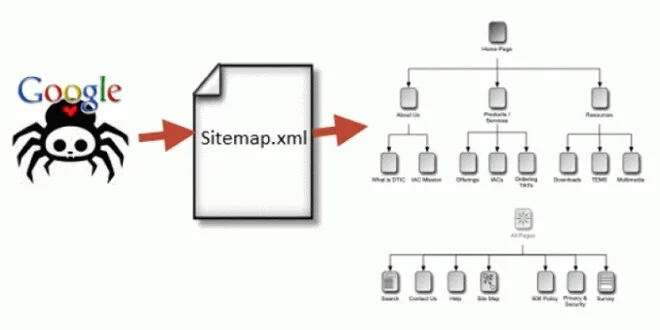
Structured data like schema markup helps Google comprehend your page’s content and improves rankings. Finding out what each page is about helps search engines provide more relevant results for user queries.
Your website should also be mobile-friendly and run on all devices. This improves user experience and SERP rankings.
Best Practices for Off-Page SaaS SEO
Off-page SEO boosts search engine ranks by doing things outside your website.
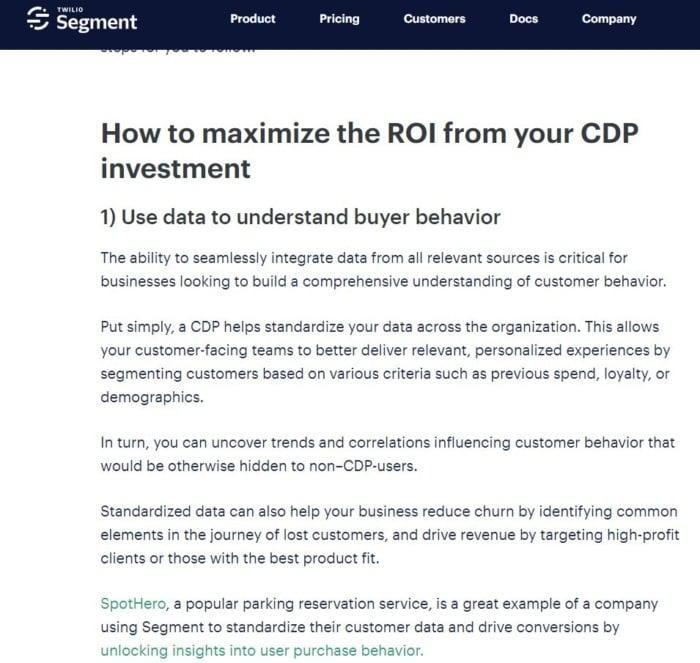
Building links from high-quality, authoritative websites should be your priority. These links indicate trust and trustworthiness to search engines, boosting your SERP ranks.
An example of a backlink on Segment’s website:
Source
How do you find backlinks?
Ubersuggest is a simple SEO tool that lets you enter a competitor’s URL and analyse their backlinks. Example utilising Segment’s website:
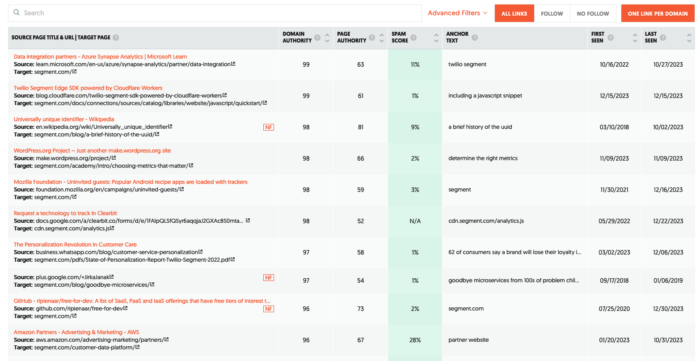
Note: Clicking the orange “one link per domain” option removes repetition domains and simplifies the list.
Develop ties with industry influencers and cooperate on content to reach new audiences. Social media may boost brand exposure and engage potential customers. This allows you to link to influential material for backlinking.
Create unique, backlink-attracting material above everything else. Many types of material attract backlinks:
- Surveys
- Whitepapers, reports
- Infographics
- Videos
Make sure your material is helpful, informative, and appealing to search engines and users. This will increase website traffic, leads, and conversions over time. Effective and visible content also attracts backlinks.
Steps to Create a SaaS SEO Strategy
Your SaaS firm needs a content-based SEO plan to boost organic search rankings, website traffic, leads, and industry authority.
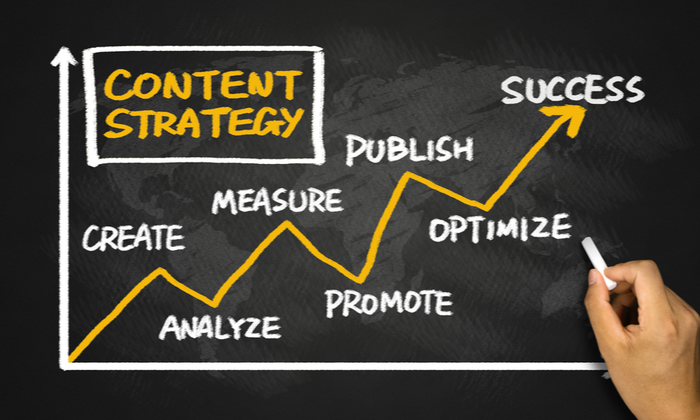
This process has 8 steps:
- Set KPIs and targets
- Determine your audience.
- Find their problems
- Examine best keywords
- Establish campaign objectives and tracking.
- Create content
- Share content
- Assess results and optimize.
Set measurable targets to evaluate your progress. SaaS SEO goals include acquiring buyers, generating visitors to free demonstrations and converting them to paid users, and educating and retaining current users.
You should also track SEO progress with KPIs. These KPIs include organic search exposure, keyword ranks, website traffic, lead creation, and others. This will show you if you’re on track to succeed.
Next, identify your audience. Are they engineers? Operations marketing leaders? Business owners? Knowing your audience helps you generate relevant content.
Next, determine what material your target audience wants. Find relevant themes and develop valuable content that addresses their problems and answers their queries.
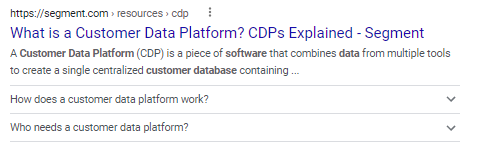
After finding suitable themes, investigate keywords and write about them. Include keywords in titles, headers, body text, and URLs to help search engines understand your page.
When I searched for “customer data management platform,” Segment incorporated that phrase in the title, URL, and meta description, ensuring top SERP rankings.
Set measurable campaign goals before developing content to track performance. You should also track the success of each piece of content you create and make modifications.
Focus on developing high-quality, user-friendly material. Photos, movies, GIFs, and infographics help readers understand long passages.
After creating content, share it on your website, social media, newsletters, etc. Track content performance and adapt to maximize performance.
Following these procedures and continuously optimizing your content based on analytics data can boost your organic search exposure and help you reach your SaaS SEO goals.
Effective SaaS SEO
Need ideas for your SaaS SEO campaign? Three SERP-dominant SaaS brands will share their success stories.
Adobe XD
Adobe launched a design professional content community to promote XD, its vector design tool.
They developed an intent-based content strategy with my agency’s keyword, competitive, and content gap analysis. We optimised page speed, schema markup, and internal linking using best practices.
The outcome? A 648 percent increase in page one ranks and over 25,000 downloads in the first six months, with search engines driving just under half of traffic.
Canva
Canva demonstrates how backlinks may boost SaaS SEO.
The design platform’s template pages contain hundreds of backlink magnets. These pages provide everything customers need to make great-looking letterheads, bills, coupons, and invites. By linking to them, websites benefit their readers.
Canva has backlinks from high-authority sites like The Next Web, Yahoo, and Thrillist.
They do more than wait for links. Canva uses personalized outreach to gain target website backlinks.
The result?
Ahrefs says they rank for over 5 million keywords with 25 million backlinks from 280,000 domains.
Smartlook
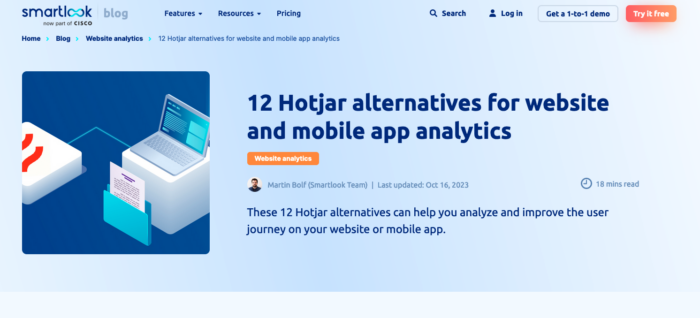
Smartlook, a product analytics and insights platform, entered the U.S. market and challenged Hotjar with product-focused keyword research.
They used numerous methods.
The first was to improve landing sites that targeted competitor-style keywords like “Hotjar alternative.” Though well-designed, these pages lacked substance to rank in Google. To satisfy searcher intent, Smartlook expanded these pages and developed new pages that addressed each topic.
The second was targeting low-volume use case keywords. These keywords (like “tracking user activity on website”) focus on tasks without mentioning a product or service. These keywords have minimal volume and competition. Even better, intent is high, so they just need a little amount of visitors to show a ROI.
Search now generates over 600 conversions for the organisation.
FAQs
SEO matters for SaaS companies. Why?
All businesses, especially SaaS ones, need SEO to get organic search traffic and leads. SEO will promote SERP visibility, website traffic, leads, user experience, and sales, which are crucial to SaaS success.
SEO also aids SaaS companies in overcoming extended sales cycles, independent buyer research, and tough competition.
Why is SaaS SEO unique?
The approach to SaaS SEO is more specialised than traditional SEO. SaaS enterprises must focus on audience-targeted content and product-related keywords to rank high in SERPs. Google ranking determinants are the same, but SaaS SERPs are more competitive, thus SEO is crucial.
How can I SEO my SaaS site?
This post’s recommended practices can optimise your SaaS website. That includes writing keyword-rich content, boosting technical SEO, and developing high-quality backlinks. Read my SEO checklist for a complete list of SaaS SEO tips.
A SaaS SEO agency can do the task for you. My team has optimised dozens of SaaS websites for traffic, rankings, and sales.
A SaaS SEO strategy baseline is what?
SEO for SaaS involves identifying relevant keywords. Find the keywords most relevant to your product or service and use them in titles, headers, body text, and URLs to help search engines find it. Also use those keywords in social media postings to increase visibility.
Conclusion
SEO is crucial for all businesses, especially SaaS companies seeking higher search engine ranks and website traffic.
Create a content plan for your target audience, research keywords, and write high-quality material for users and search engines to optimise your SaaS website for SEO.
While your industry may be more technical than others, providing good content, following SEO basics, and continuously optimising your content should help you improve organic search exposure and reach your goals.